No items found.

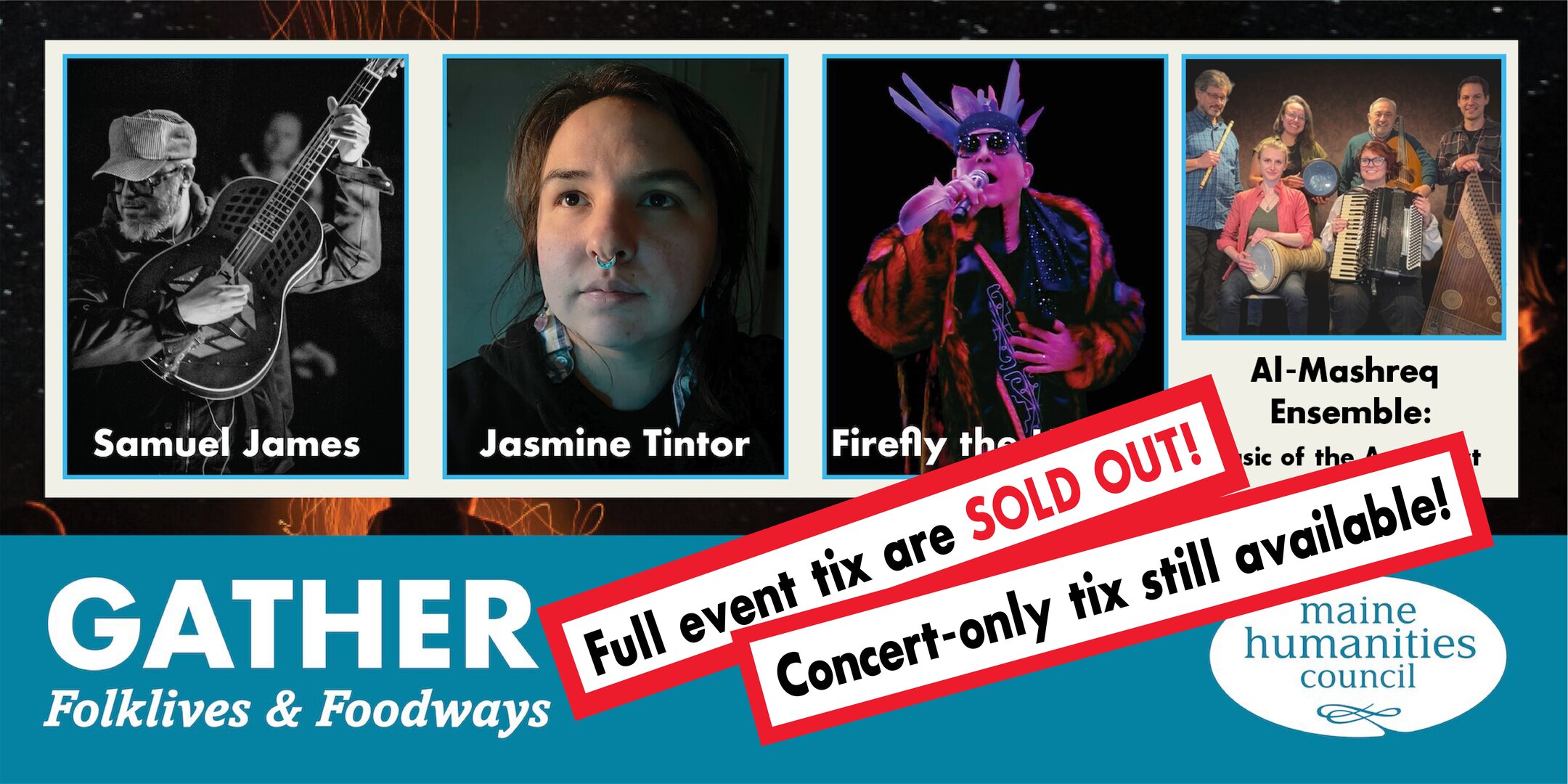

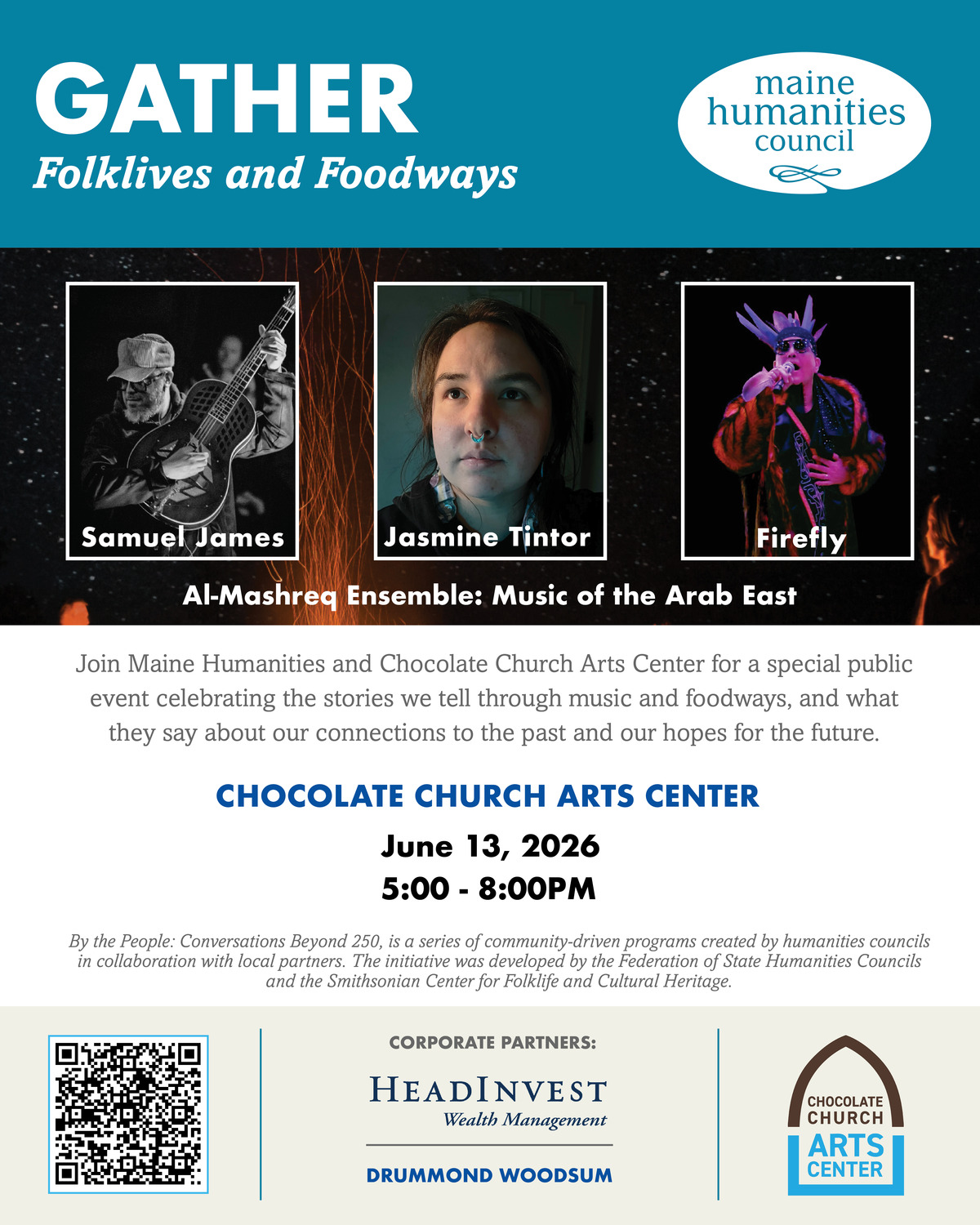
Organized by the Maine Humanities Council, Gather: Folklives & Foodways promises to be the perfect summer evening of sharing culture through food, music, and conversation. Think of it as a short-form festival: indoor/outdoor, food, drink, music, dancing. Here is the lineup:
Katahdin Kitchen: Penobscot Nation member, chef, and food sovereignty advocate Jasmine Tintor - Jazz (she, her), will be bringing delicious indigenous Maine food and drinks, like sweetgrass maple coolers, sumac salmon, corn minis and more (is your mouth watering yet?). Jazz Jazz is also Program Coordinator at Nibezun, and supporter of initiatives like Niweskok and Outdoor Equity Fund Workgroup.
Blues artist Samuel James (he, him) weaves stor ytelling and Black history into his performances. He's an accomplished musician, storyteller (The Moth, This American Life), and journalist who has toured internationally and released seven albums. James' award-winning songwriting has been compared to Leonard Cohen's, and his guitar virtuosity to that of Jimi Hendrix. James’ monthly column Racisms can be currently found in The Bollard, and his weekly newsletter Banned Histories of Race in America can be found on Substack. He’s also the creator and host of the podcast 99 Years, exploring the deliberate creation of the whitest state in the nation.
Firefly (he, him) (Jason Brown) is a Penobscot Nation member musician and multimedia artist and performer from Maine who blends traditional Wabanaki songs with cutting-edge electronic music and visual technology. He grew up on Panawamskek (Indian Island), a village in the Penobscot River, which runs through his ancestral homeland in central Maine. Firefly has performed nationally, on the Kennedy Center’s virtual stage during the Arts Across America series and at the Rock and Roll Hall of Fame in Cleveland. Firefly has collaborated with orchestras, including the Bangor Symphony Orchestra for the 2023 world premiere of “militakwat,” and the Portland Symphony Orchestra for the 2026 world premiere of DREAMLAND. Firefly regularly brings his blend of traditional and futuristic songs, dazzling visuals, and interactive dance to audiences all across Maine.
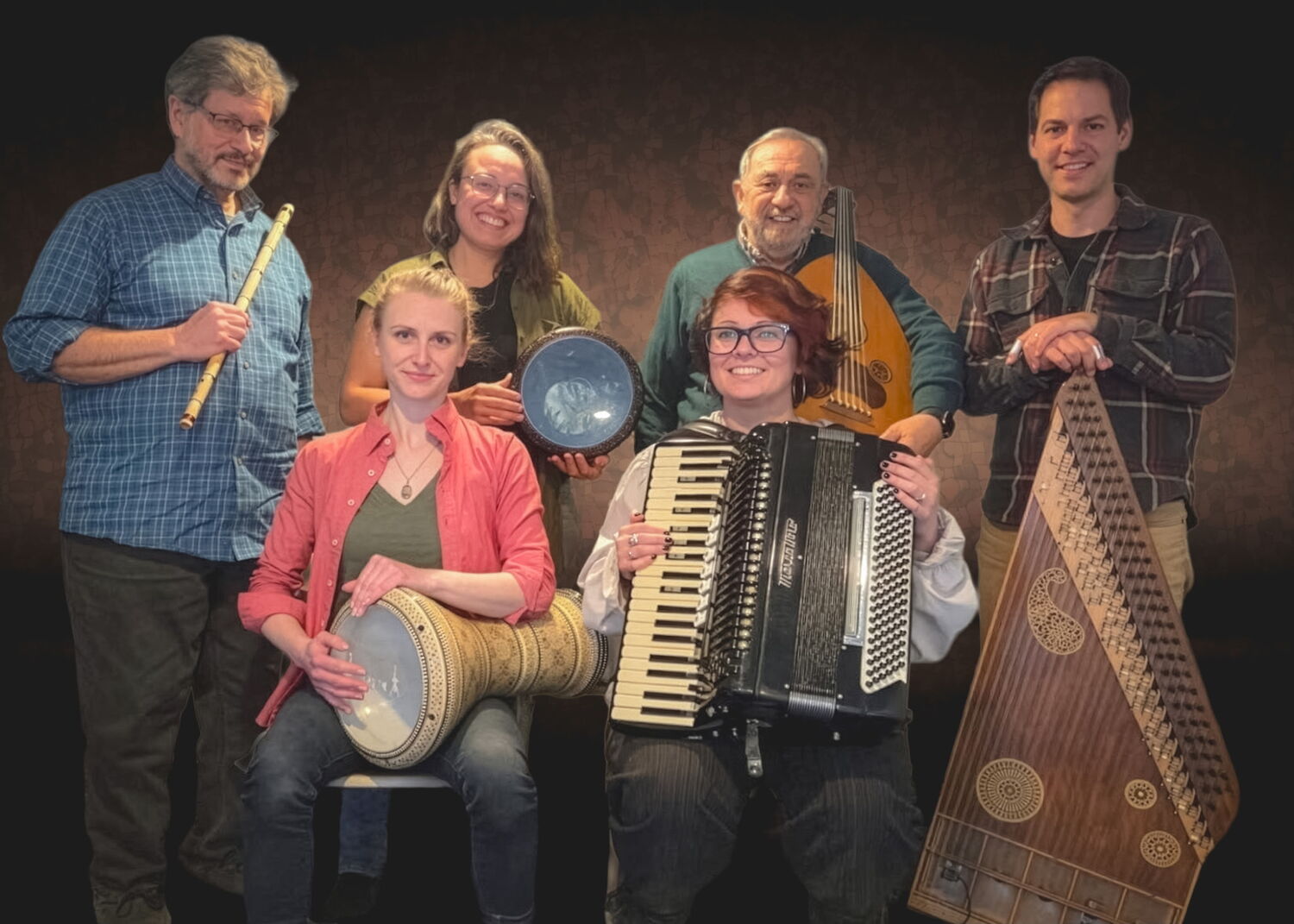
Al-Mashreq Ensemble are Maine-based musicians who use traditional instruments to play music from across the Middle East: Iraq, Syria, Lebanon, Jordan and Palestine, countries of the Eastern Mediterranean, or Al-Mashreq Al-Arabi [The Arab East]. The program will include ballads of love and community solidarity, as well as songs of longing for the homeland, as well as traditional folk songs sung as accompaniment to Dabke -- line dancing at weddings, harvests, and other community events -- so come prepared to clap and dance!